

Looking for a dependable construction company in Kigali? We build family homes, apartment blocks, commercial buildings and extensions across the city, with a written contract, a clear bill of quantities, payment in stages and regular updates from site. This page explains how we work, the choices you will make along the way and the checks that protect your money.
What we build
| Project | Typical scope |
|---|---|
| New houses | Bungalows and storey houses from foundations to finishing |
| Apartments and rental units | Multi-unit blocks, row houses and annexes for rental income |
| Commercial buildings | Shops, offices, warehouses and mixed-use buildings |
| Renovations and extensions | Extra rooms, upper floors, kitchens, bathrooms and re-roofing |
We work across Gasabo, Kicukiro and Nyarugenge, from Kibagabaga and Kimironko to Kagarama, Gahanga and Kanombe, and in nearby districts such as Bugesera and Rwamagana.
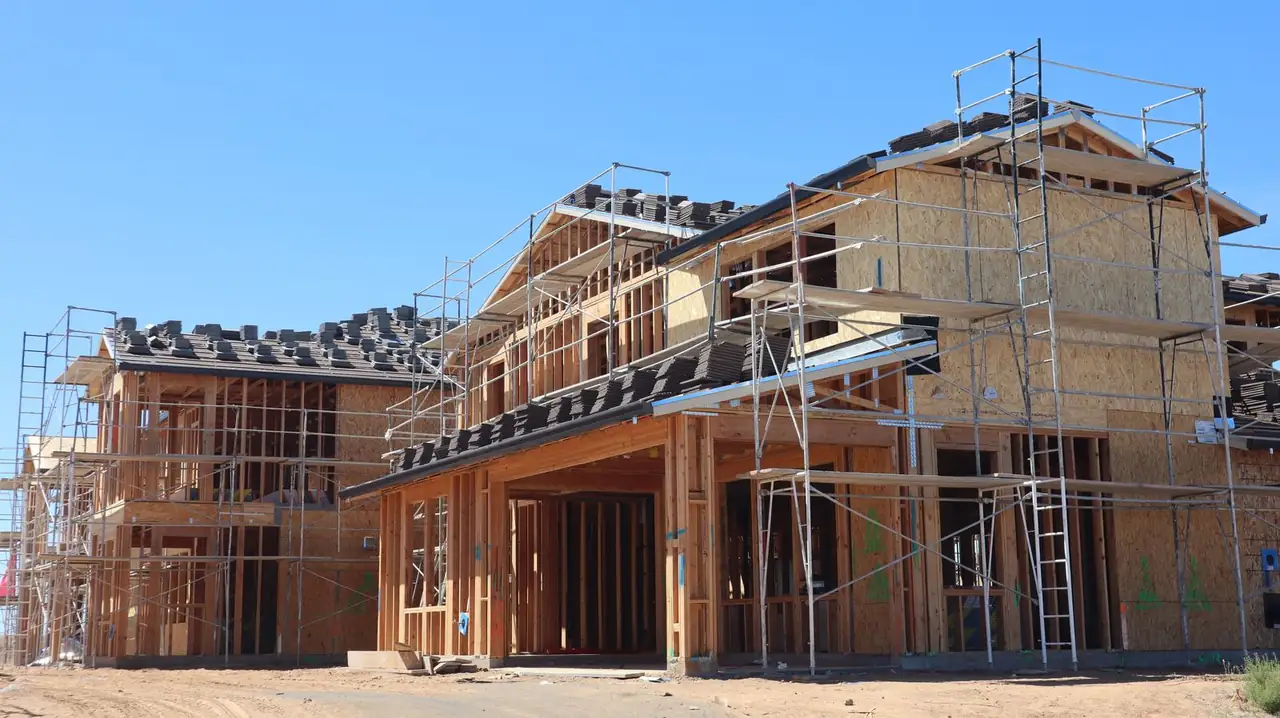
How a project runs, from brief to handover
- Brief and site visit. We look at the plot, slope, soil, access road, neighbours and drainage, and talk through your budget.
- Design and permit. Our architecture and design team prepares the drawings, and we apply for the building permit on Kubaka.
- Bill of quantities and quote. You get a BoQ listing every material and labour item, a total price and a stage by stage programme.
- Contract. Scope, price, payment stages and responsibilities are agreed in writing.
- Construction. Work proceeds stage by stage with photos and a short progress report at each milestone.
- Inspections. We request the foundation inspection and any others required through Kubaka.
- Handover. Snag list, as-built drawings and support for the occupancy permit.
Materials choices that shape cost and quality
Walls: burnt clay bricks or concrete blocks
About three quarters of buildings in Rwanda use baked clay bricks, according to a 2021 study. Both options work well when properly made and laid.
| Option | Strengths | Watch out for |
|---|---|---|
| Burnt clay bricks | Familiar to local masons, good thermal mass, attractive when left exposed | Quality varies between kilns; informal kilns often burn wood |
| Concrete blocks | Larger units so walls rise faster, consistent sizes from good suppliers | Needs proper curing; poor blocks crumble at the edges |
| Interlocking or stabilised soil blocks | Use less mortar and cement | Need trained crews and a good press |
Roofing
Iron sheets on timber or steel trusses are the most common and economical choice. Clay or concrete tiles are heavier and need stronger trusses. Stone-coated steel sheets give a tile look with less weight. Flat concrete roofs suit buildings planned for a future floor. Whatever you choose, gutters and downpipes must feed the rainwater harvesting system, which is mandatory for all buildings under the 2019 Rwanda Building Code.
Structure
Reinforced concrete frames are standard for storey buildings. Reinforcement bars must be at least grade 500 MPa; lower grades were banned from the Rwandan market in 2022.
Quality checks at each stage
- [ ] Setting out checked against the approved site plan and setbacks
- [ ] Foundation depth and bearing soil confirmed before concrete
- [ ] Steel bar sizes, spacing and cover checked before every pour
- [ ] Concrete mixed to the specified ratio, with test cubes on larger pours
- [ ] Fresh concrete kept wet (cured) for several days
- [ ] Walls checked for level, plumb and bonding
- [ ] Roof trusses treated and fixed to the ring beam
- [ ] Pipes pressure tested and wiring tested before plastering closes them in
- [ ] Final snag list walked with you before handover
Contracts and payment stages
A good contract protects both sides. Ours is written around your BoQ and drawings, and payments follow completed work rather than calendar dates. A typical schedule:
| Stage | Payment released when |
|---|---|
| Mobilisation | Contract signed and site set up |
| Substructure | Foundations and ground slab complete |
| Superstructure | Walls and columns up to ring beam, or slab cast for storey houses |
| Roof | Roof covered and building weathertight |
| Services and finishing | Plaster, floors, fittings and services complete |
| Handover | Snags fixed and keys handed over |
Check whether a quote includes VAT, which is 18 percent at the standard rate, before comparing contractors.
Site safety and weather
Site safety
Construction is one of the higher risk sectors, and Rwandan law sets clear duties for employers. Ministerial Order N°02 of 2012 lists protective equipment such as helmets, gloves, safety shoes and high-visibility vests, and construction firms with 20 or more workers must set up a workplace health and safety committee. On our sites that means:
- helmets and safety boots for everyone, and harnesses for work at height;
- secure scaffolding with guard rails, checked before use;
- trench sides supported or battered back on deep excavations;
- a first aid kit on site at all times;
- the site fenced off from the public and children.
Planning around Rwanda's rainy seasons
Rwanda has two rainy seasons, from March to May and from September to December, with drier months in June to August and January to February. Rain affects excavation, concrete and roofing most. We plan the programme so foundations are ideally dug and cast in a dry window, keep cement off the ground and covered, cover fresh concrete, and dig temporary drainage so water does not pool in trenches. Getting the roof on before the rains is often the single most useful milestone.
Choosing a contractor in Rwanda
- Ask for a written contract and a detailed BoQ, not a single lump sum.
- Ask who will be on site every day and how often you will get updates.
- Check that drawings are signed by professionals registered with RIA or IER.
- Visit current sites where possible and look at the quality of finished work.
- For public works, check the company's category with the Rwanda Public Procurement Authority.
Building new is the best time to plan security: cabling for CCTV installation and space for solar backup power cost far less before the walls are plastered.
Start your project
Tell us about your plot and plans using the form and we will arrange a site visit. Before you start, read how much it costs to build a house in Rwanda, and see how we supply building materials in Kigali direct to site.
Frequently asked questions
How long does it take to build a house in Kigali?
It depends on size, design, permit timing, weather and how steadily the project is funded. A simple bungalow takes several months; a storey house or apartment block takes longer. Your quote includes a stage by stage programme so you can see when each phase should finish.
Do you help with the building permit?
Yes. We prepare the drawings and help you apply through Kubaka, the online permit system that replaced BPMIS in 2025. We also request the inspections during construction and support the occupancy permit at the end.
How are payments usually structured?
Payments are made in stages linked to completed work, such as foundations, walls to ring beam, roof and finishing. The schedule, what counts as complete and how variations are priced are written into the contract before work starts.
Who buys the materials?
Either way works. We can supply all materials through our materials service, or you can buy some items yourself. The contract states who supplies what, the specification required, and who is responsible for storage and security on site.
Can you build in the rainy season?
Yes, with planning. Rwanda's rains fall mainly from March to May and September to December. We try to schedule excavation and foundations for drier months, protect fresh concrete and materials, and keep site drainage working during the rains.
Do you do renovations and extensions?
Yes, including extra rooms, upper floors, kitchens, bathrooms and re-roofing, including replacing old asbestos roofs. Extensions and structural changes need a permit, and adding a floor needs a check that the existing foundations and columns can carry the load.
What should be in a construction contract?
At minimum the scope and drawings, the bill of quantities, price and whether VAT is included, payment stages, programme, who supplies materials, how changes are approved and priced, defects responsibility after handover, and how disputes are settled.