

Send us your list and we will quote current prices for building materials in Kigali, delivered to your site. One order and one contact instead of running between hardware shops in Gikondo, Nyabugogo and Kicukiro, with deliveries planned around each stage of your build.
Materials we supply
| Category | Items |
|---|---|
| Cement and concrete | Cement (50 kg bags) in common grades, ready-mix options for larger pours |
| Steel | Reinforcement bars of different diameters, binding wire, mesh, hollow sections |
| Walling | Burnt clay bricks, concrete blocks, interlocking blocks |
| Aggregates | Sand for concrete and plaster, gravel, ballast, hardcore |
| Roofing | Iron sheets, stone-coated sheets, tiles, timber, trusses, gutters, accessories |
| Finishes | Floor and wall tiles, paint, ceilings, doors, windows |
| Services | Plumbing pipes and fittings, electrical cable, conduit and accessories, water tanks |
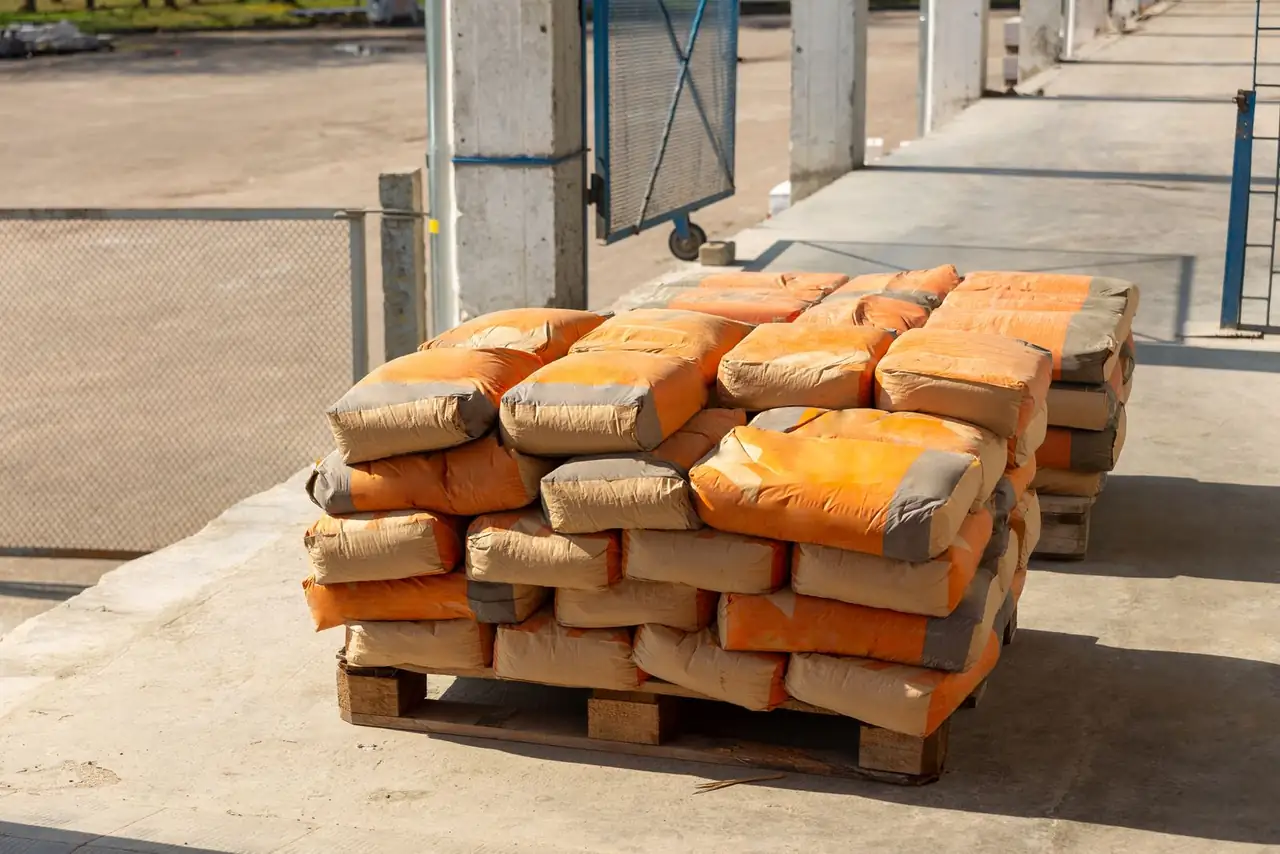
Indicative prices (as of October 2026)
Prices change frequently, so treat these reported figures as background and ask for a current quote.
| Item | Reported price | Date and source context |
|---|---|---|
| Cement, 50 kg bag, 42.5 grade | RWF 12,500 to 13,000 | Kigali hardware stores, October 2023 |
| Cement, 50 kg bag, 32.5 grade | About RWF 12,500 | Kigali hardware stores, October 2023 |
| Cement and lime price index | Up 21 percent | Reported in 2025 |
| Iron bar | Rose from about RWF 14,000 to RWF 27,000 | Reported during the 2025 construction boom |
| Truck of building blocks | Rose from about RWF 70,000 to RWF 120,000 | Reported during the 2025 construction boom |
| Iron sheets for a 300 m2 house re-roof | About RWF 1.5 million | Estimate published in 2026 |
Rwanda has four cement producers (Cimerwa in Rusizi, Kigali Cement, Prime Cement in Musanze and Anjia Cement in Muhanga) plus imports from the region, so prices also depend on brand and grade. For current cement, steel and block prices, contact us for a quote.
Choosing materials: what matters
Cement
Use the grade your engineer specifies. Higher grades such as 42.5 are common for structural concrete; others are often used for plaster and blockwork. Check the bag date and reject bags that are hard or lumpy.
Steel bars
Reinforcement bars must be grade 500 MPa or above; RICA banned lower grades in 2022. Order using the bar bending schedule from your structural drawings, and store bars off the ground to limit rust.
Bricks or blocks
| Burnt clay bricks | Concrete blocks | |
|---|---|---|
| Use in Rwanda | About 75 percent of buildings (2021 study) | Common in newer and larger projects |
| Speed | Smaller units, more mortar joints | Larger units, walls rise faster |
| Quality check | Even colour, sharp edges, clear ring when knocked together | Sharp edges, no crumbling, properly cured before use |
| Environmental note | Informal kilns often burn wood | Uses cement, so price follows cement |
Roofing
Iron sheets are the most economical; check the gauge (thickness) and coating, because thin sheets dent and rust sooner. Tiles look good and last but need stronger trusses. If you are replacing an old asbestos roof, the removal must be done safely: the Rwanda Housing Authority expects the national asbestos phase-out to finish by the end of the 2026/27 fiscal year.
Sand and aggregates
Clean, well-graded sand makes stronger concrete and plaster. Sand with lots of silt or clay weakens the mix. Ask to see a load before you accept it.
Quality and genuine products
Counterfeit and substandard construction products are a known problem. Protect yourself by:
- [ ] buying from suppliers who give proper invoices with brand and grade;
- [ ] checking the Rwanda Standards Board S-Mark, which can be scanned by phone;
- [ ] checking markings on steel bars and roofing sheets match the order;
- [ ] counting and inspecting every delivery before signing the delivery note;
- [ ] keeping cement dry and using it in date order.
Estimating quantities
The most reliable quantities come from a bill of quantities prepared from your drawings. If you do not have one, send us the drawings or the room sizes and we can help estimate the main items: cement, sand, aggregate, steel, bricks or blocks and roofing. Ordering by stage, with a small allowance for waste and breakage, avoids both shortages that stop work and surplus that sits on site for months.
Delivery and site logistics
- Access: tell us if the road to your plot is narrow, steep or unpaved, common in parts of Kinyinya, Gisozi or Rebero, so we can send smaller trucks.
- Staged delivery: we deliver what each stage needs, so less is stolen, damaged or rained on.
- Rainy seasons: from March to May and September to December, keep cement and timber under cover and stockpile sand where water will not wash it away.
- Storage: a lockable store on site for cement, fittings and tools saves money.
How to order
- Send your list with quantities, or your bill of quantities, using the form.
- Receive a quote with current prices and delivery cost.
- Confirm and agree delivery dates or stages.
- Receive and check each delivery on site.
Need machines too? See construction equipment hire and concrete mixer hire. Planning a budget? Read the cost to build a house in Rwanda.
Frequently asked questions
How often do material prices change?
Often. In 2025 regional press reported cement and lime prices up 21 percent and metal products up 22 percent, with iron bars nearly doubling. Prices can move within weeks, so always ask for a current quote and confirm it before you pay.
Do you deliver to site?
Yes, delivery to sites in Kigali and nearby districts can be arranged. Delivery cost depends on distance, road access to your plot and order size. Tell us if trucks cannot reach the site so we can plan smaller loads.
Can I order for a whole project?
Yes. Send your bill of quantities and we will price the full list and agree delivery in stages, so materials arrive when each phase needs them instead of sitting on site for months.
What grade of steel bars should I use?
Reinforcement bars sold in Rwanda must be at least grade 500 MPa. RICA banned lower grades from the market in 2022. Bar sizes and spacing come from your structural drawings, so order from the bar schedule rather than guessing.
How do I know cement or steel is genuine?
Buy from traceable suppliers, check bags and bars carry clear brand, grade and origin markings, and look for the Rwanda Standards Board S-Mark, which can be scanned with a phone to check the product.
Burnt bricks or concrete blocks, which is cheaper?
It depends on your location, the supplier and current prices, and on the wall design. Bricks are more widely used in Rwanda; blocks are larger so walls rise faster. Send your drawings and we will price both options for you.
How should I store cement on site?
Keep bags off the ground on pallets or planks, under a roof or tarpaulin, stacked no more than about ten high, and use the oldest bags first. Damp cement forms lumps and should not be used for structural concrete.